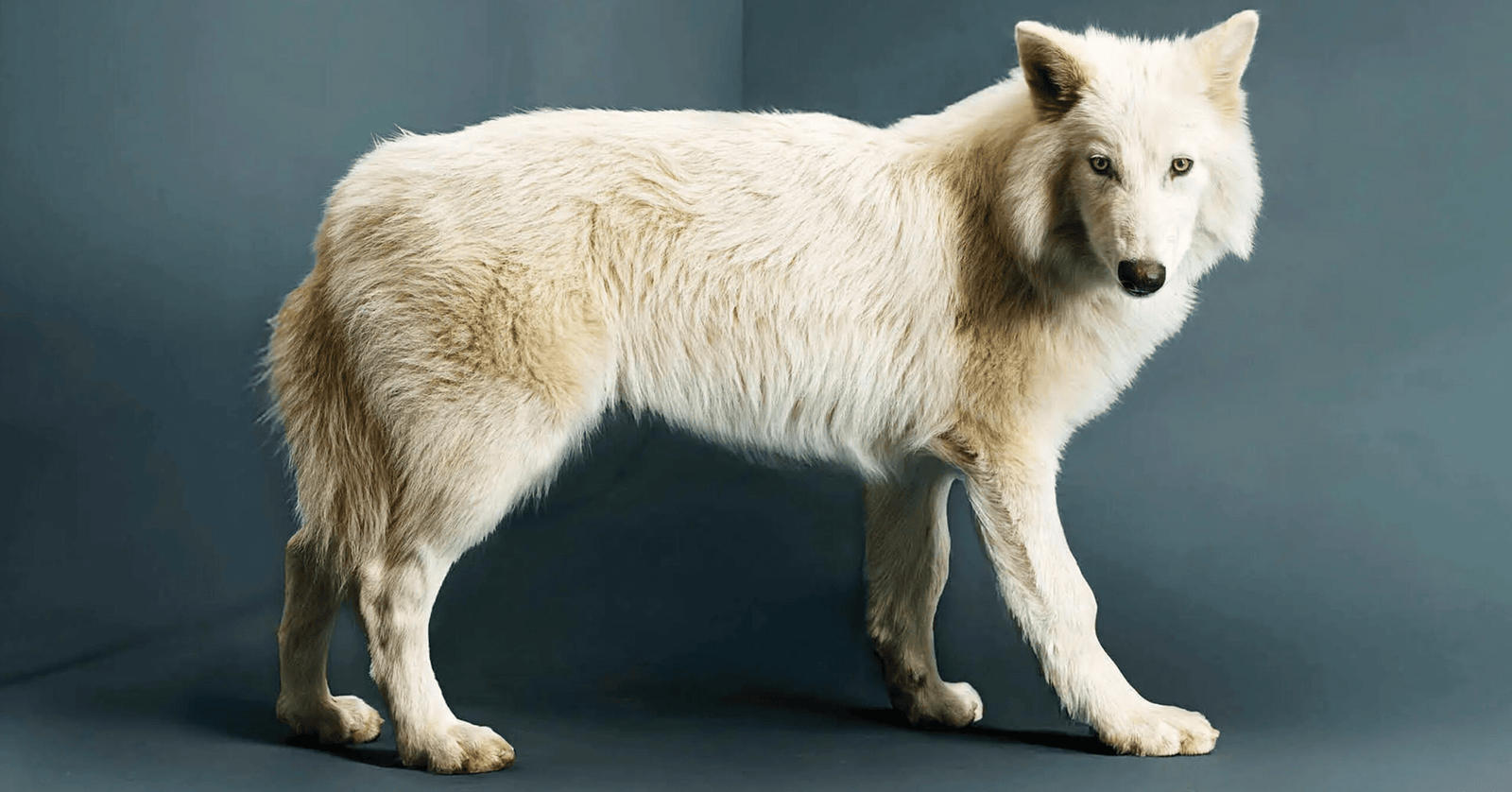
Have you ever wondered about the massive beasts that walked the Earth long ago? If you love fantasy stories, you might think the dire wolf is just a made-up monster. But science tells us a very different story. A real real life dire wolf actually hunted across North America during the Ice Age.
These ancient predators were very close relatives to the animals we know today. Yet, they were built much tougher. In this guide, we will explore everything about this amazing beast. We will look at its body, its lifestyle, and its place in history. Let us take a fun trip back in time to meet this famous pack hunter.
What is a Dire Wolf?
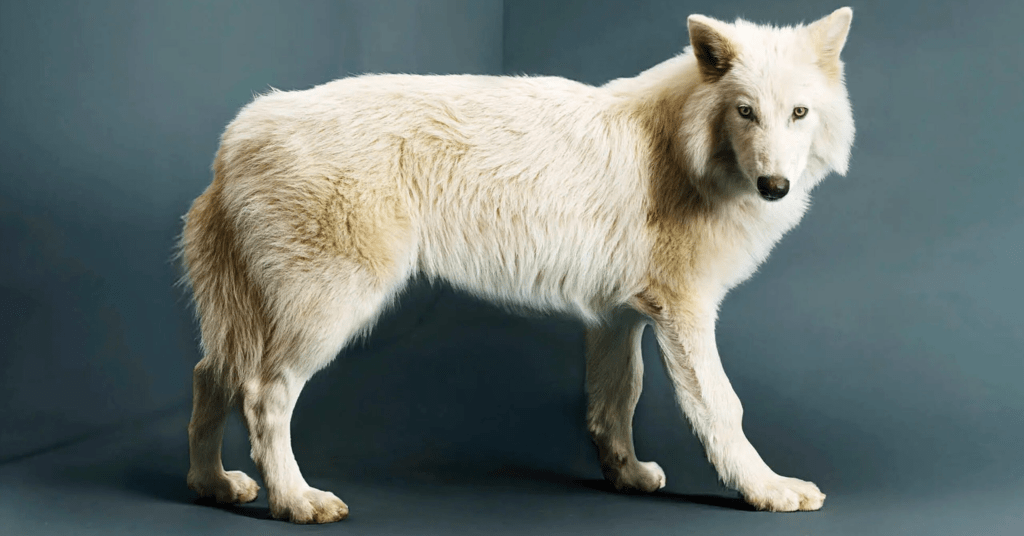
To understand this animal, we have to look back thousands of years. So, what is a dire wolf exactly? Scientists call it Aenocyon dirus, which translates to “terrible wolf.” It was a large carnivore that lived during the Pleistocene epoch. This was a chilly time when massive glaciers covered big parts of our planet.
For a long time, people thought they were just bigger versions of grey wolves. However, new DNA tests show they were a completely unique branch of the canine family tree. They evolved separately in the Americas for millions of years. They were heavily muscled, built for taking down large prey, and they ruled their environment.
The True Extinct Dire Wolf History
The extinct dire wolf has a fascinating story that ended about 11,000 years ago. They lived alongside other famous Ice Age giants like woolly mammoths and saber-toothed cats. Their bones have been found all over, from chilly Canada down to sunny South America.
The best place to find their fossils is the La Brea Tar Pits in Los Angeles. Thousands of these animals got trapped in the sticky asphalt while trying to catch food. Because of these well-preserved bones, scientists know a lot about how they lived and died. Sadly, when the giant Ice Age mammals disappeared, this amazing predator ran out of food and became a dire wolf extinct species.
Analyzing the Dire Wolf Size and Weight
When we talk about this beast, the first thing people ask about is the dire wolf size. These were not tall, lanky runners like modern wolves. Instead, they were incredibly thick, heavy, and robust. They had broader heads, shorter legs, and very powerful shoulders.
An average adult weighed between 130 and 150 pounds. Some extra large bones suggest the biggest ones could reach 200 pounds. If you look at how big is a dire wolf, they stood about 3 feet tall at the shoulder. This heavy build made them perfect for wrestling giant bison to the ground.
Visualizing the Dire Wolf Size Comparison
To really picture this animal, a dire wolf size comparison helps a lot. Imagine a massive, muscular dog that looks like it spends all day lifting weights. They were not much taller than today’s wolves, but they were much wider and carried far more muscle mass.
When you look at a real real life dire wolf size comparison next to a human, it would reach up to a grown adult’s waist. Their chests were broad, giving them the leverage needed to hold down large prey. They could not run as fast as today’s wolves, but they had incredible upper body strength.
The Battle: Dire Wolf vs Grey Wolf
When we do a dire wolf vs grey wolf matchup, we see two different survival strategies. The grey wolf is built for long-distance running. It has long legs and a streamlined body to chase prey for miles until the target tires out.
In contrast, the dire wolf compared to grey wolf skeletons shows a beast made for raw power. They had shorter, thicker limbs and a massive skull. This means they likely hid in the bushes and ambushed their meals. They used brute force rather than a long marathon chase to win their dinners.
The Power of the Dire Wolf Sound
What did the wilds of the Ice Age sound like at night? The dire wolf sound was likely terrifying to hear in the dark. Because their skulls and throat structures were so large, their voices were probably much deeper than modern wolves.
Instead of the high, musical howls we hear today, they probably made deep, guttural growls and low barks. This deep pitch would travel long distances across the grassy plains. It served as a clear warning to rival packs and giant cats to stay far away from their territory.
Bones and Teeth of a Colossal Dire Wolf
Every now and then, fossils reveal a truly colossal dire wolf that outsized the rest of the pack. These larger specimens had teeth that were absolutely massive. Their jaw muscles were strong enough to crush solid bone with ease.
Scientists know this because many discovered teeth show heavy wear and tear. They did not just eat the meat; they crunched through the bones to get to the rich marrow inside. This special ability helped them survive when fresh meat was hard to find during harsh winters.
The Truth About Dire Wolf Puppies
It is fun to imagine what dire wolf puppies looked like thousands of years ago. Just like modern dogs, dire wolf pups were born small, blind, and totally helpless. They relied completely on their mothers and the safety of a hidden den.
As these little ones grew, they needed huge amounts of protein to build their heavy bones and thick muscles. The entire pack likely worked together to bring meat back to the den. This strong family bond helped the young pups survive in a world filled with giant bears and fierce lions.
Can Science Create a Dire Wolf Clone?
With modern technology moving so fast, people often ask about a dire wolf clone. Could we use old DNA to bring this beast back to life? Right now, genetic cloning is extremely difficult because DNA breaks down over thousands of years.
Even though scientists have found amazing fossils, the genetic code is too damaged to create a perfect copy. However, some researchers are studying ways an extinct animal could be dire wolf brought back through genetic engineering. They might do this by editing the genes of modern dogs, but a real clone is still far in the future.
Pop Culture and the Dire Wolf 5e Roleplay
The legend of this beast lives on in modern games like Dungeons and Dragons. In the popular dire wolf 5e tabletop rules, these creatures are turned into popular fantasy monsters. Players love fighting them or taming them as fierce mounts.
In the game, they are described as giant, loyal, and incredibly dangerous beasts. While the game rules make them seem magical, it is awesome to remember that a very similar animal actually walked our planet long ago. Fantasy took a real piece of Earth’s history and turned it into a legend.
Exploring the Myth of the Dire Wolf Tavern
The fame of this animal has even inspired local businesses around the world. For example, the dire wolf tavern is a popular name for cozy restaurants and pubs. These places often use old-school themes, rustic wood, and wolf art to create a fun atmosphere.
People love gathering in these spots to share stories, eat hearty meals, and enjoy a warm environment. It shows how much we still love the mystery of the Ice Age. The name reminds us of campfires, wild adventures, and ancient history.
Comprehensive Ice Age Canine Comparison
Let us look at the exact numbers to see how these animals truly compared. This data is based on fossil discoveries from the La Brea Tar Pits and modern wildlife measurements.
| Feature | The Ice Age Dire Wolf | Modern Grey Wolf |
| Average Weight | 130 to 150 lbs (Up to 200 lbs) | 80 to 110 lbs |
| Shoulder Height | Around 3 feet | 2.6 to 3.2 feet |
| Body Build | Heavy, muscular, wide chest | Lean, long-legged, slender |
| Bite Strength | Extremely high (Crushed bones) | Moderate (Focused on tearing) |
| Hunting Style | Short ambush and brute force | Long-distance endurance chasing |
| Status | Extinct for 11,000 years | Alive and protected |
Frequently Asked Questions
Is the dire wolf still alive today?
No, they are completely extinct. The last ones died out around 11,000 years ago due to climate change and a lack of large prey.
How much bigger was a dire wolf than a grey wolf?
They were not much taller, but they were about 25% heavier. They had much more muscle mass, broader heads, and thicker bones.
Did humans ever see a real dire wolf?
Yes! Early humans who traveled to North America lived alongside them. They definitely competed with each other for food and territory.
Could a dire wolf crush bones?
Yes, their jaws were shaped to deliver a massive amount of pressure. Their teeth were large and thick enough to break open bones easily.
Why did they go extinct?
When the Ice Age ended, large animals like horses and camels disappeared. Without these large meals, their heavy bodies could not survive.
Are they the ancestors of modern dogs?
No, they were a distinct side branch of the canine family. Modern dogs are descended from ancient grey wolves, not dire wolves.
Conclusion: The Lasting Legacy of an Icon
The story of this animal shows us how amazing our planet’s history really is. They were not just movie monsters; they were real, powerful survival experts that ruled the Ice Age. Their heavy bones and incredible teeth tell a story of strength and teamwork.
Even though they are gone, they still capture our imaginations today in games, history books, and pop culture. Sharing these facts helps keep the memory of Earth’s ancient giants alive. What is your favorite fact about this ancient predator? Let us know your thoughts!